

Al contenuto della pagina

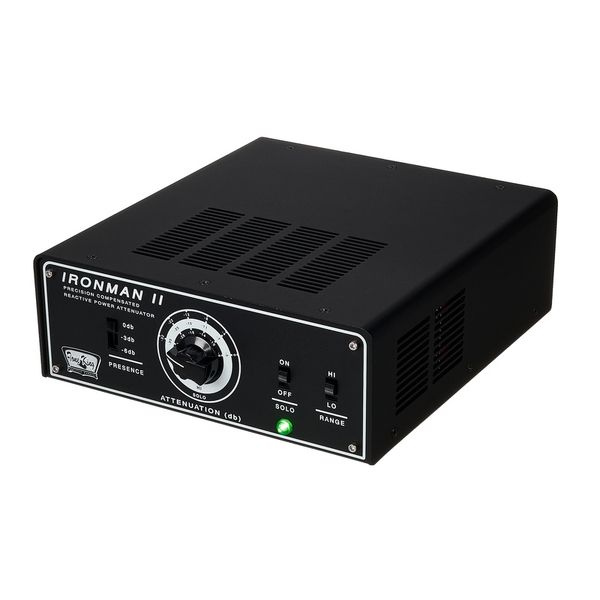
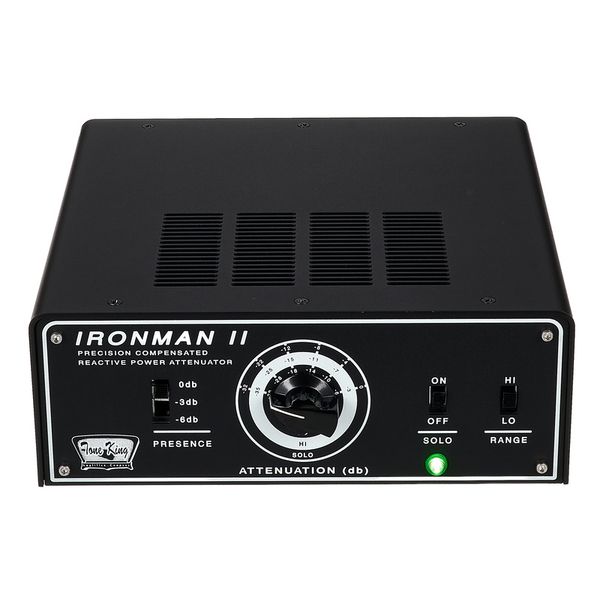
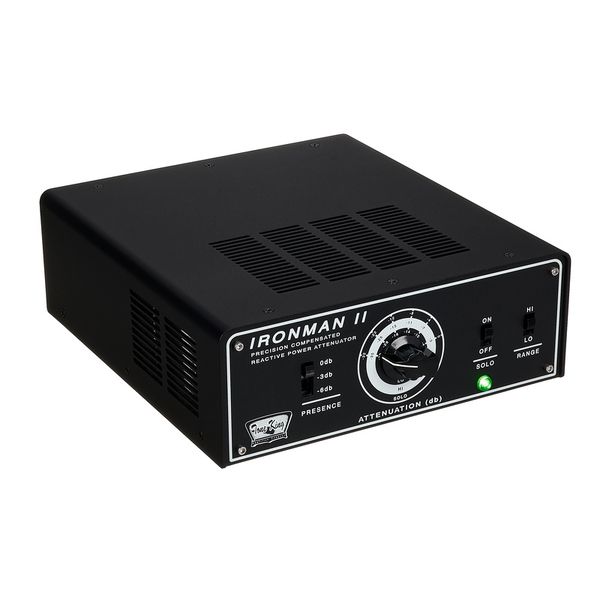
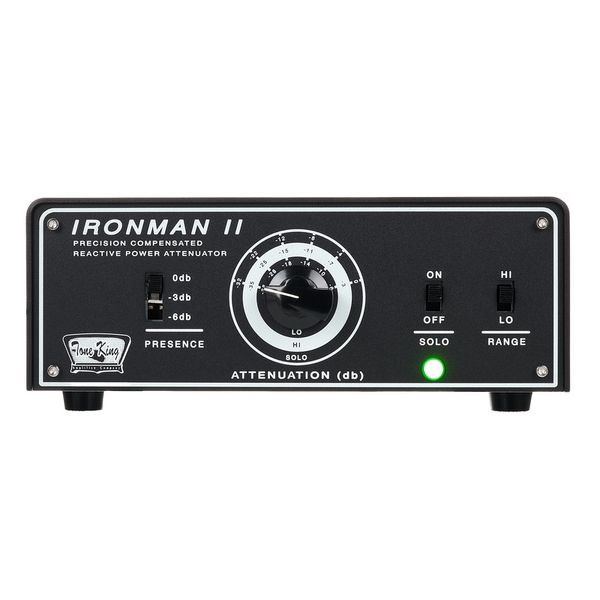
Attenuatore di potenza

  • Compressione completamente valvolare a volume ambientale
  • La tecnologia Reactive Load preserva il timbro e la dinamica dell'amplificatore
  • Funzione Solo 3 dB/6 dB commutabile tramite footswitch
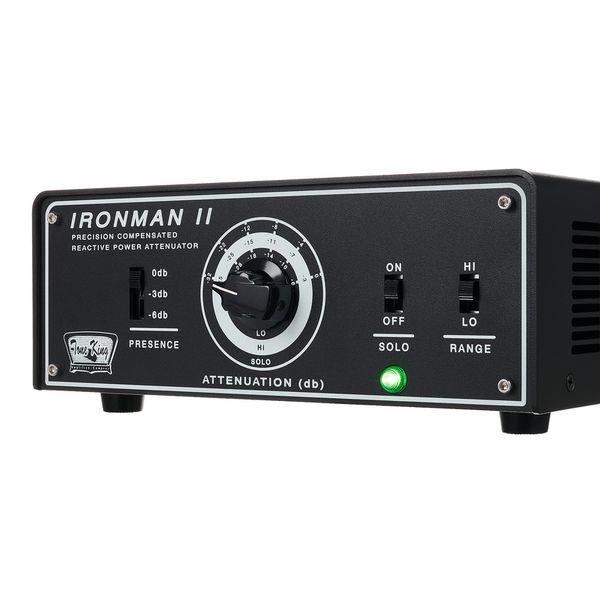
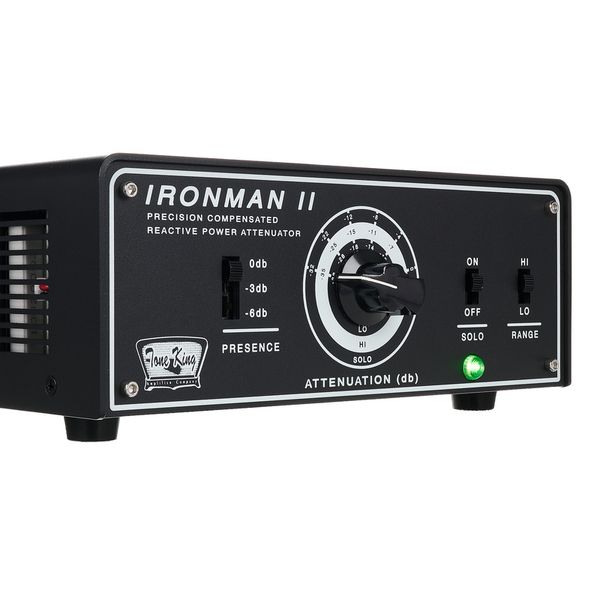
  • L'attenuazione a 6 livelli offre impostazioni di volume per ogni performance, sessione o jam
  • L'interruttore di presenza a 3 posizioni regola le alte frequenze indesiderate
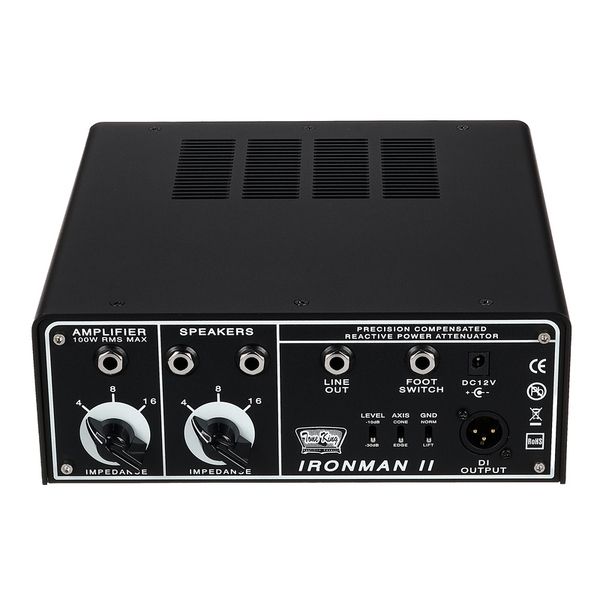
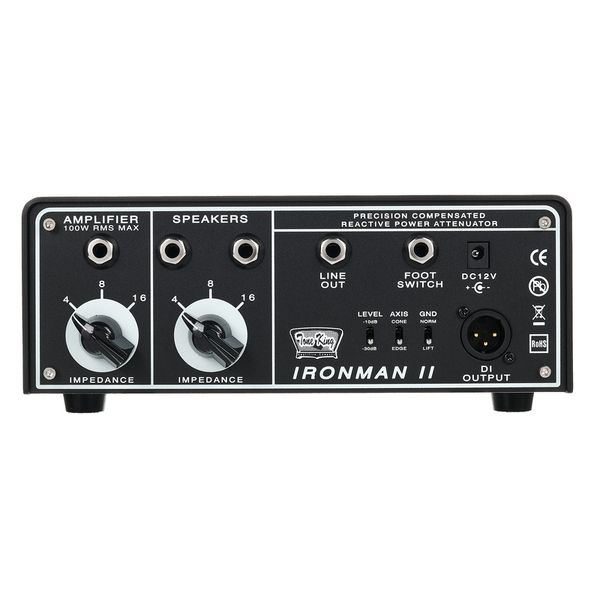
  • Uscita XLR DI con simulazione dell'altoparlante
  • Può essere utilizzato come carico fittizio (dummy load) per fornire un carico corretto all'amplificatore senza che i diffusori siano collegati
  • Potenza: 100 W RMS
  • Impedenza: 4, 8 o 16 Ohm
  • Controllo: Attenuation
  • Interruttori: Range Hi/Lo, Solo On/Off, Presence 0/-3db/-6dB, Impedanz, DI Level -10/-30 dB, Axis Cone/Edge, Ground Lift
  • LED: Solo On
  • Dimensioni (L x P x A): 241 x 260 x 95 mm
  • Peso: 6,8 kg
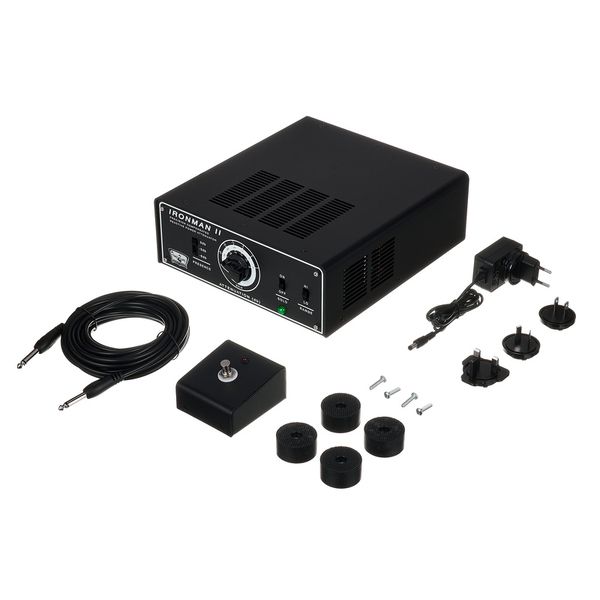
  • Include alimentatore 12 V DC e footswitch (Solo on/off)
  • Made in USA

Collegamenti:

  • Ingresso di amplificazione: jack da 6,3 mm
  • Uscite altoparlante: 2 jack da 6,3 mm
  • Uscita di linea: jack da 6,3 mm
  • DI Out: XLR
  • Collegamento solo footswitch: jack da 6,3 mm
  • Collegamento per l'alimentatore: presa coassiale 5,5 x 2,1 mm, polo negativo interno
  • In catalogo dal Luglio 2019
  • Numero di articolo 464530
  • Unità incluse 1 Pezzo
  • Impedenza 4, 8, 16
  • Abbattimento del rumore No
  • Interfaccia DI Si
  • Simulazione di speaker Si
  • Dummy Load (utilizzabile senza cabinet) Si
€ 859
Tutti i prezzi incl. IVA
Disponibile
1

26 Valutazioni dei clienti

4.7 / 5

Caratteristiche

Suono

Qualità

21 Recensioni

P
L'attenuatore definitivo.
Piova 26.01.2026
Lo utilizzo da qualche anno sia in sala prove che in registrazione.
Non avevo mai dato una lira a questo tipo di apparecchi, ma messo a confronto con i concorrenti in commercio già sulla carta siamo avanti:

- selettore per l'impedenza in ingresso e uscita (quasi tutti gli altri sono fissi, ovvero 4 ohm in 4 ohm out e via dicendo, tradotto in soldoni te ne servirebbe uno per ogni impedenza, e già superiamo il costo - non basso- dell'ironman.
- uscita xlr con simulatore di cabinet, dal suono più che decente ed utilizzabile in rec.

In più ci sono i controlli di presenza (per mantenere sempre chiaro o scurire al bisogno il segnale) e l'opzione solo per giocare con le dinamiche.

Sempre creduto fosse un aggeggio da riccardoni (con tutto rispetto per i riccardoni) ma se devo affrontare una rec di chitarra (ma anche basso) senza attenuatore ormai mi sento male.

Provare per credere.
Caratteristiche
Suono
Qualità
0
0
Segnala un abuso

Segnala un abuso

ND
Strange Metallic Noise with FX Loop and awful LINE OUT
Nazareno DL 11.04.2025
When using my Origin 20C with the FX loop active, the Iron Man II produces unpleasant metallic noises. However, when connected to my Torpedo Captor, no such issue occurs with the same setup.

Additionally, if you attempt to use the Iron Man II’s line-out with external IRs, the output is extremely low and very dark. While the attenuation is effective, this issues has led me to request a full refund. What a shame, I had high hopes for this device.
Caratteristiche
Suono
Qualità
0
1
Segnala un abuso

Segnala un abuso

G
Tone King Ironman II
Giachetta 20.01.2025
Prodotto veramente buono, l’attenuazione è molto progressiva, si può trovare con molta precisione il volume che si desidera.
È molto trasparente, anche con attenuazioni importanti non ho mai dovuto toccare il controllo della Presenza.
Sono riuscito ad utilizzare in casa un valvolare da 50w con il master al massimo.
La possibilità di poter selezionare diverse impedenze per testata e cassa è comodissima.
Discreta anche l’uscita con cassa simulata.
È abbastanza ingombrante, per situazioni live forse punterei a qualcosa di più maneggevole
Caratteristiche
Suono
Qualità
0
0
Segnala un abuso

Segnala un abuso

google translate gb
Sfortunatamente si è verificato un errore, La preghiamo di riprovare più tardi.
T
Works great, but with some tonal coloration.
TERD 02.02.2025
I purchased this attenuator after giving up on a Fryette Power Station due to an inherent hum issue that it didn't seem possible to fix. I have seen several other reports online about the exact same type of hum with the Fryette Power Station, which points towards a serious, inherent design flaw with those units. Which is a shame, because apart from the hum it sounded really good.

When using an attenuator like this there will of course always be some coloration of the tone, but based on user reviews online this one from Tone King seems to be one of the better choices, so I figured I would give it a chance after the massive disappointment with the Fryette (which I guess isn't strictly speaking an attenuator, but more of a re-amp device).

For clean tones, especially with Fender-style amps, I actually preferred the Fryette Power Station by quite some distance. The tone was noticeably more open and detailed, but unfortunately useless due to the hum issue. The clean tones felt slightly more congested with the Tone King. Not bad, but not quite as nice as with the Power Station.

For more distorted tones I much preferred the Tone King. It seemed to preserve the character of the amp better. With the Tone King a Marshall still sounded like a Marshall. With the Fryette, it just didn't.

The dynamics, "feel" and playing experience was also considerably better with the Tone King. It felt like actually playing the amp. This was simply not the case with the Fryette. I guess part of the explanation is that the way the Fryette is designed, your guitar amp doesn't really "see" the speakers/cab, so you're not really getting the interaction between your amp and your cab.

I do miss those wonderful, detailed clean tones I got with the Fryette Power Station, but sadly it was useless due to the hum. In every other respect I found the Tone King to be far superior.

The build quality of the Tone King seems VERY sturdy, although it is impossible for me to say how robust it is electronically. Time will tell.

I don't like the use of a wall wart with a thin, flimsy cable though. This is very inconvenient, feels like something that can break, and it makes the whole product feel cheaper.

I'm also slightly concerned about the warnings in the manual about changing the attenuation setting while simultaneously playing your guitar. This is something that can easily go wrong if the guitar player is located in a different room when I'm in the control room and dialing in the tone/levels. I dread to see what can happen.... Because this is one of those thing that seem destined to happen at some point.

So far so good, I guess. Tonally I have no objections, apart from SLIGHTLY more congested clean tones than the ones I got with the Fryette.
Caratteristiche
Suono
Qualità
0
0
Segnala un abuso

Segnala un abuso