Al contenuto della pagina

Sassofono

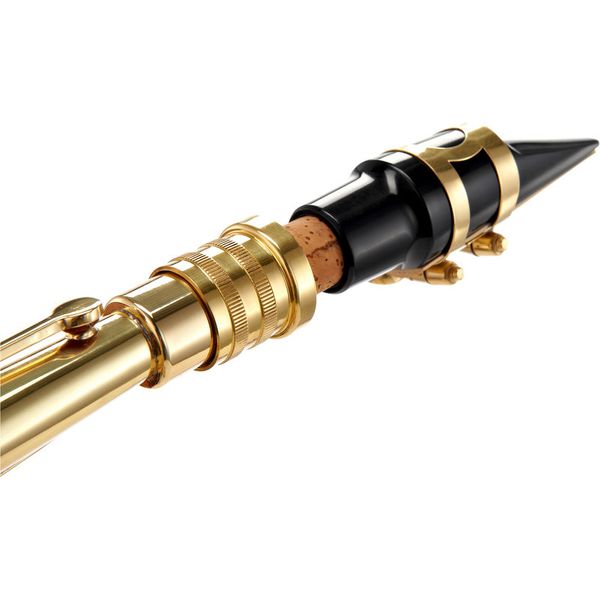
  • Collo a S con vite di accordatura di precisione
  • Chiave del Fa# acuto
  • Bilanciere
  • Appoggio per il pollice regolabile in metallo
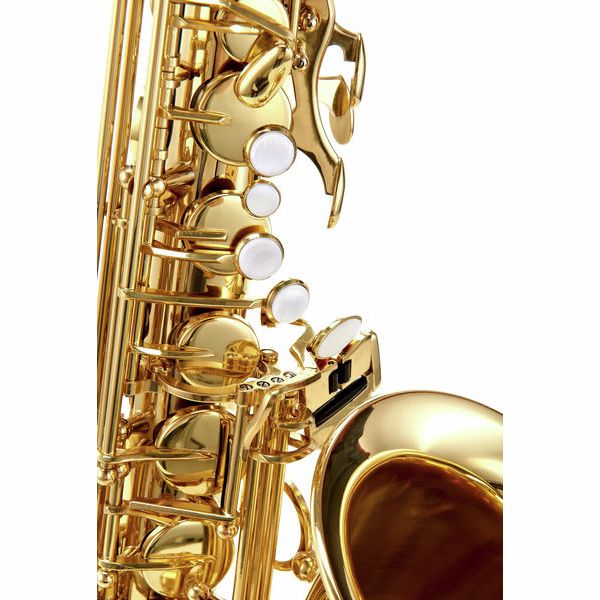
  • Cuscinetti con risonatori in metallo
  • Finitura: vernice trasparente
  • Peso: ca. 3070 g
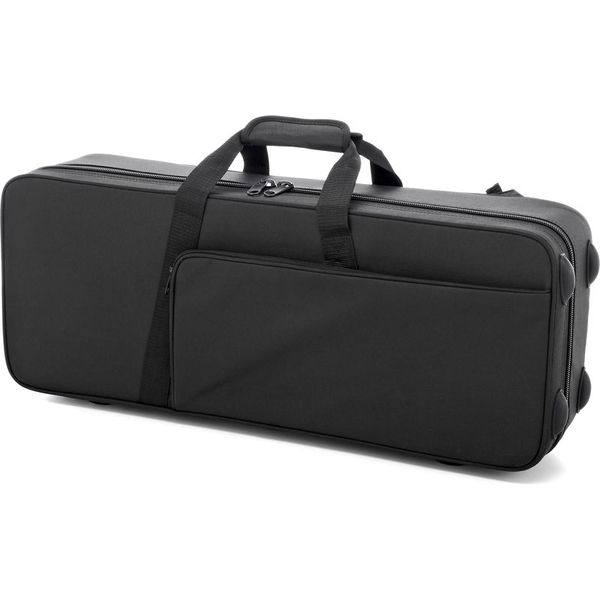
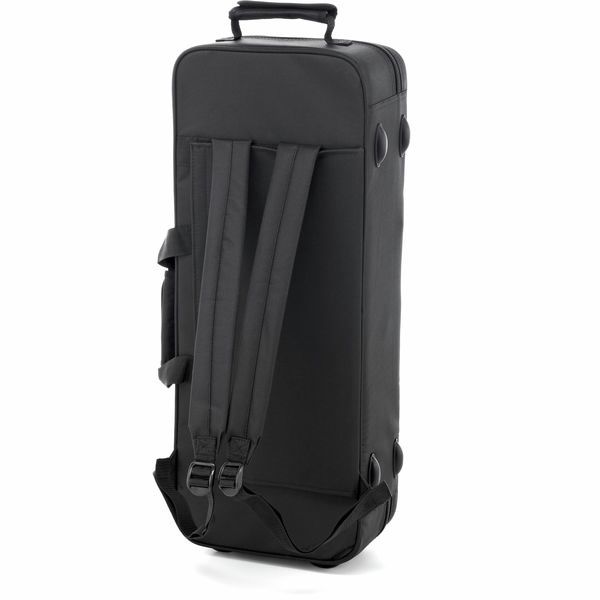
  • Include bocchino, tracolla per sassofono e custodia leggera con cinghie per trasporto su spalle
  • In catalogo dal Giugno 2012
  • Numero di articolo 276971
  • Unità incluse 1 Pezzo
€ 899
Tutti i prezzi incl. IVA
Disponibile a breve (normalmente 2-5 giorni)
1

Un sassofono di un'altra epoca

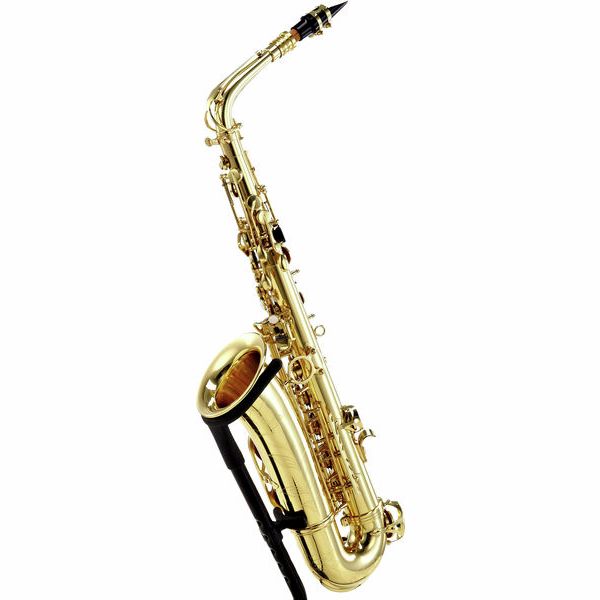
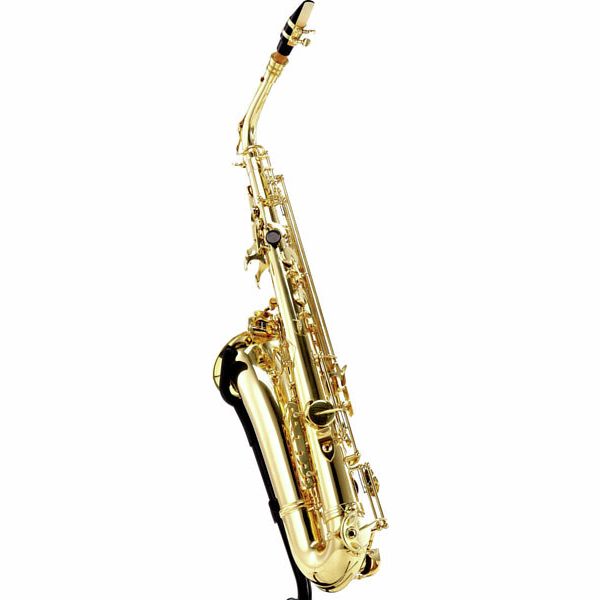
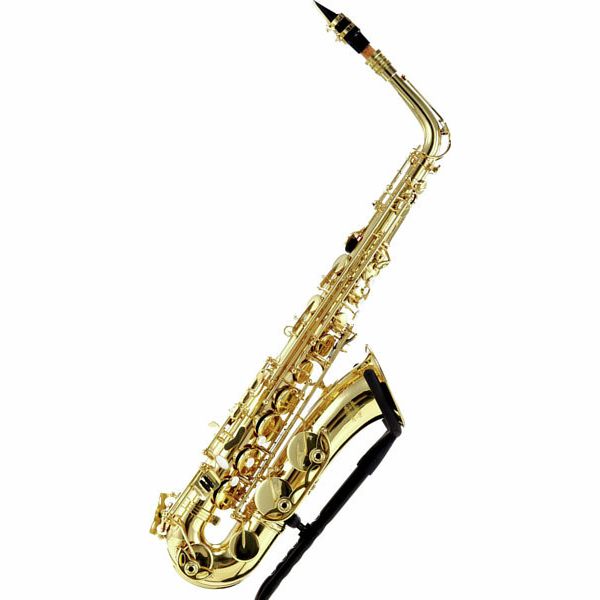
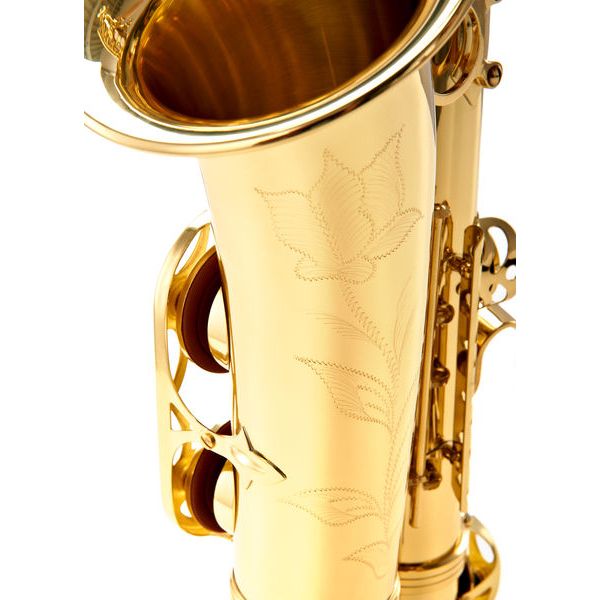
Il sassofono C melody Thomann CMS-600 L farà viaggiare i musicisti indietro nel tempo, ma è anche uno strumento da tenere d'occhio per il futuro. Questo strumento è stato ispirato dal design originale dei sassofoni melody degli anni '20, come si evince dal collo dritto e dalla chiave di accordatura sulla curva del collo stesso. Il fusto in ottone è decorato con eleganti incisioni ed è rifinito in vernice trasparente. A prescindere dalla sua storia e dall'aspetto, il CMS-600 stupisce sia i principianti che i sassofonisti più stagionati grazie alla sua intonazione bilanciata in tutti i registri e all'alta reattività. A differenza dei sassofoni vintage, presenta anche la chiave del Fa# acuto. Proprio come ci si aspetta da un sassofono C melody, anche questo modello Thomann offre un tono caldo e vellutato. È inoltre presente un poggiapollice regolabile a piacere che, insieme al bocchino, allo spallaccio e alla custodia a zaino inclusi nella confezione, permette di iniziare a suonare da subito.

Sassofono C melody Thomann CMS-600 L

Cos'è un sassofono C melody?

Il sassofono C melody ha una lunga e illustre storia, tuttavia oggi è messo in ombra da versioni più popolari come il sassofono soprano in Sib, contralto in Mib, tenore in Sib e baritono in Mib, ognuno dei quali necessita di note o partiture trasposte. Al contrario, il sassofono C melody è, come suggerisce il nome, intonato in Do e creato appositamente da Adolphe Sax per essere usato in orchestre sinfoniche. È intonato un tono sopra il sassofono tenore, a cui somiglia più che al sassofono contralto. Un Do nella partitura di un sassofono C melody suona di un'ottava inferiore, di conseguenza per questo strumento un Do1 viene scritto come Do2.

Dettaglio del sassofono C melody Thomann CMS-600 L

Da suonare subito

Il sassofono C melody Thomann CMS-600 L ha il vantaggio di non aver bisogno di alcuna trasposizione, quindi è possibile usarlo per suonare qualunque parte scritta in Do, basta che le note siano comprese nella sua estensione sonora. Di conseguenza, quando viene suonato si può utilizzare la stessa partitura degli strumenti orchestrali. Proprio per questo il CMS-600 è particolarmente adatto agli amatori o come secondo strumento per flautisti, oboisti o chiunque preferisca utilizzare una notazione non trasposta. Il sassofono suona sempre un'ottava più in basso rispetto alle partiture e ha un suono particolarmente dolce e caldo, rendendolo adatto soprattutto agli amanti dei suoni vellutati del sax.

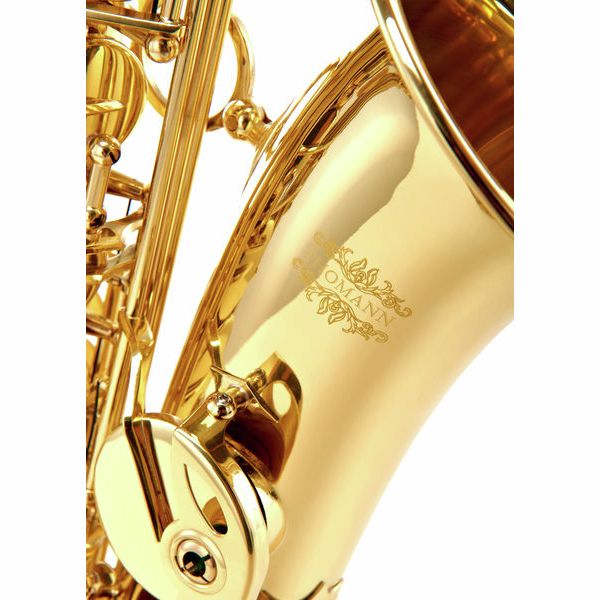
Logo del produttore sul sassofono C melody Thomann CMS-600 L

Sugli strumenti a fiato Thomann

Gli strumenti a marchio Thomann, creati esclusivamente da produttori rinomati, costituiscono oggi una parte consistente del catalogo di prodotti offerti da Thomann, insieme ad altri nomi molto conosciuti. Grazie a un imbattibile rapporto qualità-prezzo, gli strumenti a fiato Thomann sono la scelta più ovvia per gli studenti e i principianti, ma non solo. Le caratteristiche tecniche e la qualità del suono senza compromessi che offrono sono solitamente riservate a strumenti molto più costosi che si trovano nel settore del mercato professionale.

Non solo Blues

Fino a poco tempo fa, trovare un sassofono C melody in una fascia di prezzo media era praticamente impossibile, ma con il CMS-600 L Thomann ora offre una soluzione accessibile. Grazie alla loro comodità durante l'uso e alle caratteristiche timbriche accattivanti, senza contare il prezzo economico, i sassofoni Thomann sono diventati sempre più popolari, con una gamma in continua espansione che include strumenti particolari come questo C melody. Tuttavia, non è talmente di nicchia da essere inutilizzabile: al contrario, al giorno d'oggi è possibile trovare bocchini C melody dedicati prodotti da svariati produttori, oltre a bocchini per sassofono contralto e tenore adatti. In questo modo, sia gli amatori che i sassofonisti più esperti possono ottenere il suono desiderato senza fatica. Questo strumento, molto accessibile dal punto di vista di musicalità, suonabilità e prezzo, si adatta a una vasta gamma di possibili usi, soprattutto in ambito domestico, musica da camera, piccoli gruppi Jazz e musica da sala.


24 Valutazioni dei clienti

4.4 / 5

Risposta

Caratteristiche

Suono

Qualità

21 Recensioni

google translate gb
Purtroppo si è verificato un errore, ti preghiamo di riprovare più tardi.
F
Lots of fun
FBGDWB 25.07.2021
I just received this a couple of days ago but I'm already enjoying it. I've been away from sax for quite a few years. Most of the time, I play bass for seniors' jam sessions. But I thought I might take a sax along to jams if I had a C melody.
It came quickly and arrived well-packed. It looked great when I opened the case. It was set up well and I could find no reason to have it checked over by a technician.
PROS:
- fit, finish & set-up
- feels solid
- playability
CONS:
- left thumb gets sore from awkward toggling
- guard above right thumb hook digs my belly if I stand up
- mouthpiece seems like a very basic alto
I expect to have lots of fun with this horn but I doubt I'll do much performing. If I'm asked to solo, I think the control on my tenor will take me back to it. But a better mouthpiece might change my mind.
UPDATE: I tried my tenor mouthpiece on this and it made 100% improvement. It gave me the same control as I have on my tenor and massively improved the high and low notes. If you buy this horn, toss the mouthpiece in the trash right away!!
Risposta
Suono
Qualità
Caratteristiche
5
0
Segnala un abuso

Segnala un abuso

google translate gb
Purtroppo si è verificato un errore, ti preghiamo di riprovare più tardi.
P
Thoman C Melody
Paul7215 19.09.2015
Absolutely delighted with this instrument. Well set up, it played straight out of the box with a good sound and accurate intonation right across the range. It also looks good and seems well made. My only criticism is that the placement of the side keys is rather awkward and could make playing with small hands difficult.
Also worth noting that the included mouthpiece is really rather good (a rarity with what is quite a cheap instrument) and works very well with around a 3.5 strength reed. The instrument will also work well with an alto mouthpiece.
Risposta
Suono
Qualità
Caratteristiche
8
1
Segnala un abuso

Segnala un abuso

google translate gb
Purtroppo si è verificato un errore, ti preghiamo di riprovare più tardi.
M
Good Value
MarkDoyle 04.06.2022
I'm an advanced amateur and have had the CMS-600 L for 6 months and played it almost daily. It is attractive and seems well made and I'm pleased with it, though I have three issues. 1) The low Bb key is a bit awkward, but I've adapted. 2) Initially, the low C, B and Bb were unstable; this disappeared after a month or so, maybe because the pads became seated, or maybe I became more familiar with the instrument. 3) With the included melody mouthpiece, or any alto mouthpiece, it plays extremely sharp. The neck isn't long enough to get it in tune and I have to pull the neck about one-half inch out of the body. There are still a few notes (middle D) that are difficult to play in tune.

I like the sound of the included "no name" mouthpiece and find it responsive and bright. I've tried various alto mouthpieces and like the Otto Link Tone Edge 5 star best, but not as well as the included mouthpiece. I also purchased a Caravan C-Tenor mouthpiece made for the C-melody sax that uses a tenor instead of alto reed. The Caravan has much better intonation and a very warm sound, that I personally do not like as well as the brighter sound from the alto mouthpieces.
Risposta
Suono
Qualità
Caratteristiche
4
1
Segnala un abuso

Segnala un abuso

google translate gb
Purtroppo si è verificato un errore, ti preghiamo di riprovare più tardi.
m
Unique, good value, but begs for a premium version
mbm86 22.02.2026
This is pretty much the only new C-Melody you can get anywhere at the moment. It's undeniably good value for the money, but some quirky design decisions leave me wishing that a higher quality premium model existed.

First, the good: It is in fact a C-mel and so can play, without transposing, from choral, piano, or string scores. And its warmer, more balanced tone blends well with choir and classical. The only other way to get a C-mel in 2026 is to find and restore something from the 1920s. They're special and they stand out. Unlike 1920s saxes, this one has standard modern fingering and ergonomics.

It uses alto mouthpieces. The one included with mine had a rather restrictive chamber and I got a much better response from the instrument with more open designs (a Yamaha 4C worked pretty well). Tenor mouthpieces do not fit.

Its tone is clean and even, with no significant break at the octave. It's a nice sounding instrument that's easy to control. Not a stage horn, but very well suited to more intimate environments and casual jamming.

It does have some downsides. First is that the right forefinger 3-key set is oddly placed, 15 mm higher than any other sax I've seen, so you have to remember to really stretch for C and E (this one's Bb is in the usual C position and they go up from there.) The high F#, while nice, is tricky to use without a squeak. That's manageable.

Less manageable is that its temperament is not quite 12-TET but varies by up to 8-10 cents in ways that I can't quite understand the logic of. Remembering exactly how to compensate that with embouchure pressure is taking some time.

The microtuner seems like a nice touch in principle, but the thread machining on mine is sloppy; it's a less stable joint than I would have hoped and can shift by a couple of millimetres without turning the ring. Best to keep it pushed in to the movable stop as you turn the threads to avoid the 2 mm backlash. Similarly, there's some corner-cutting to save machining cost in parts of the linkage mechanisms, where another $100 of parts & labour to machine more precise pins & bushings would have yielded very noticeable improvements in quality.

Overall, I love the thing and it's probably the favourite horn in my collection. But I do wish I'd been able to buy a similar one with a sturdier microtuner, rolled tone holes positioned more carefully for a more precise temperament, and a little more care given to ergonomics and mechanism quality – things for which I would gladly have paid a 50% higher price. Perhaps some future product line manager will take note.
Risposta
Suono
Qualità
Caratteristiche
4
0
Segnala un abuso

Segnala un abuso