

Al contenuto della pagina

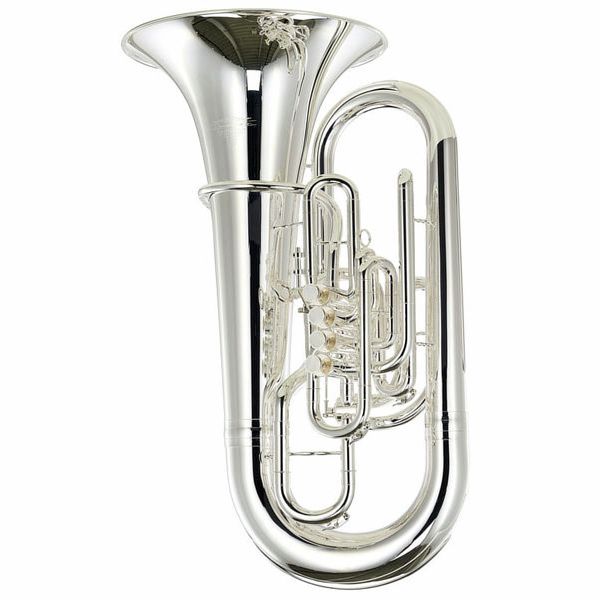
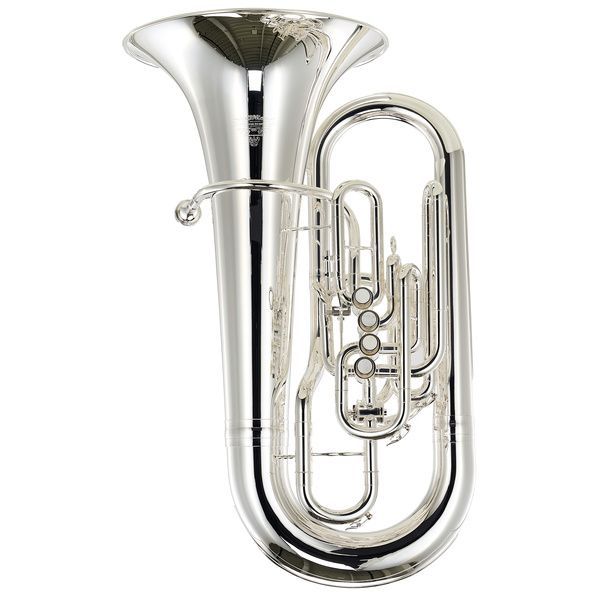
Tuba in Fa

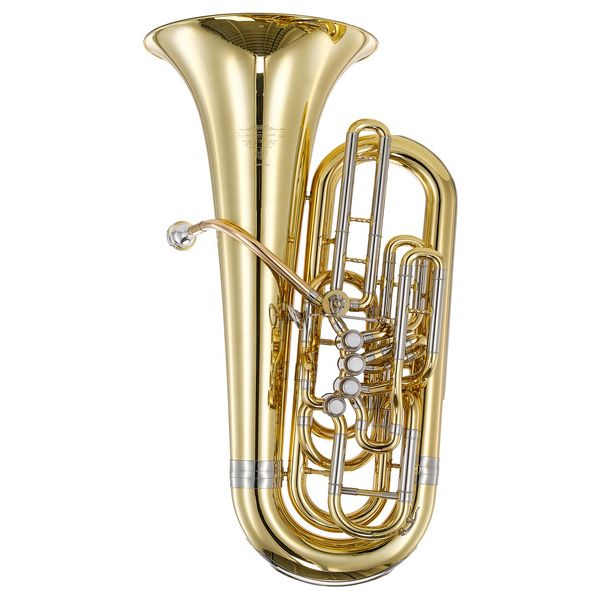
  • Corpo e campana in ottone
  • Leadpipe in ottone dorato
  • Pompe esterne in alpacca
  • Canneggio: 1a-3a valvola 19,00 mm / 4a valvola 20,00 mm / 5a valvola 21,00 mm
  • Diametro della campana: 440 mm
  • Altezza: 880 mm
  • Peso: 8,3 kg
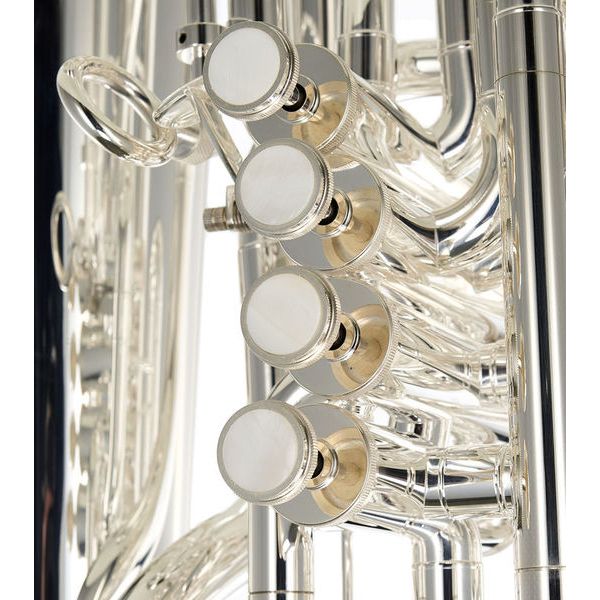
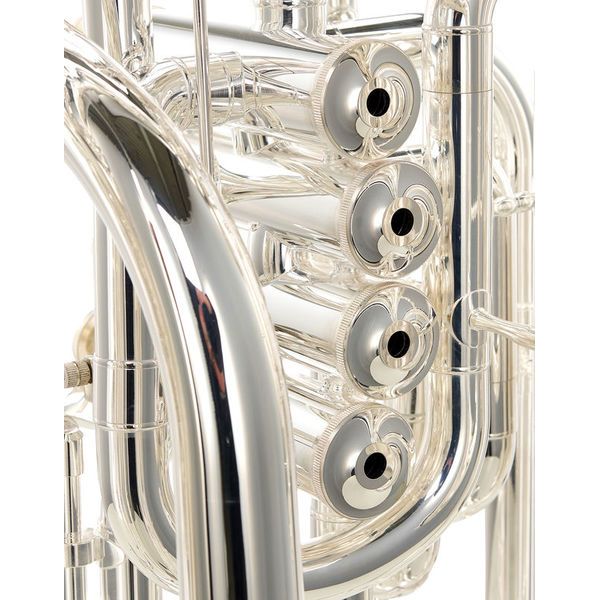
  • 5 valvole con configurazione 4 +1
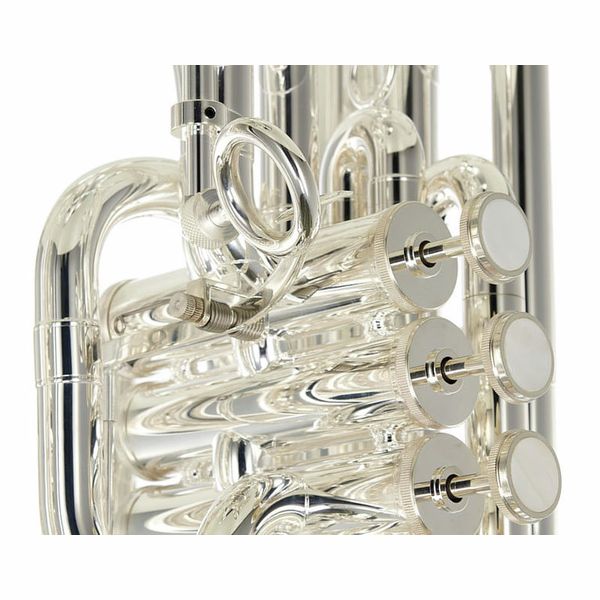
  • 4 valvole Perinet Front Action, 1 valvola rotativa con giunti Minibal
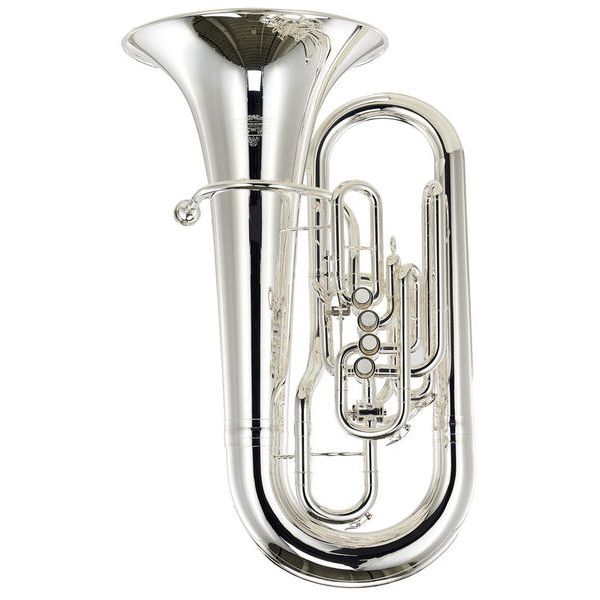
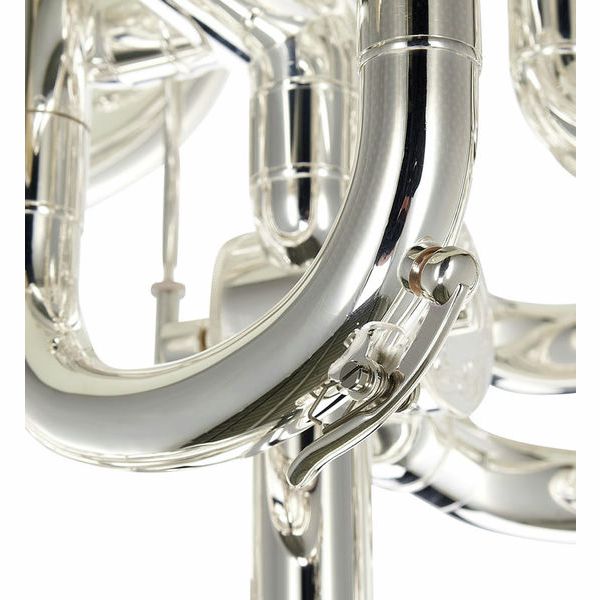
  • Appoggio per il pollice regolabile
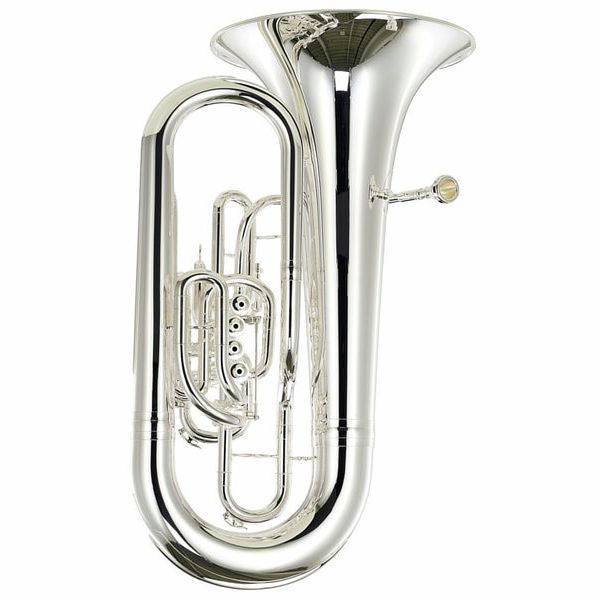
  • 3 chiavi dell'acqua
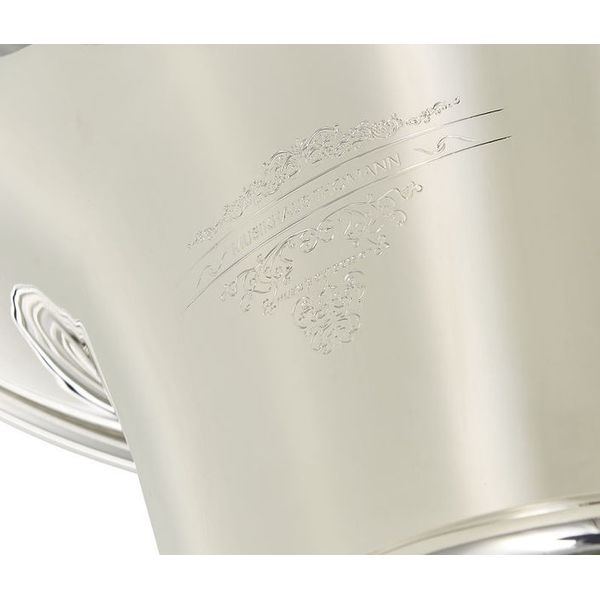
  • Placcata in argento
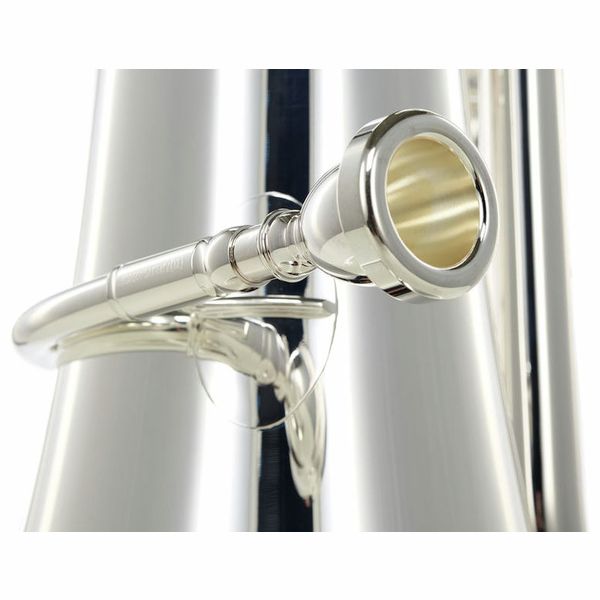
  • Include custodia morbida e bocchino
  • In catalogo dal Marzo 2020
  • Numero di articolo 475559
  • Unità incluse 1 Pezzo
  • Materiale della campana Ottone
  • Finitura Placcato in argento
  • Numero di valvole 5
  • Incl. custodia / borsa Si
€ 4.555
Tutti i prezzi incl. IVA
Disponibile
1

2 Valutazioni dei clienti

5 / 5

Risposta

Caratteristiche

Suono

Qualità

2 Recensioni

google translate gb
Sfortunatamente si è verificato un errore, La preghiamo di riprovare più tardi.
JM
Great for small ensembles/quintets
J. Michael 12.04.2026
I've been playing Tuba in large and small groups for over 20 years, mostly on a BBb horn. 2 years ago, I decided to switch to an F Tuba and took a chance on the Phoenix S due the reasonable price, attractive styling, and piston valves. I wanted a piston valve horn because I feel like I can play faster on them (not sure if that's true or not, but if you believe something hard enough, it'll become true!). I am VERY pleased with this purchase... it takes a while to get used to playing new fingerings on an F tuba, but once you figure it out, it's not that hard and I find a lot of quintet music sits much better in the range of an F tuba than a BBb. Don't be discouraged if you don't sound amazing right away after switching to an F tuba... it takes time to get used to the range and tuning before your tone quality improves.

As for this horn in particular, it's well built, looks amazing, sounds incredible (once you get used to the tuning), it is smaller and lighter than a BBb horn, and for the price, it can't be beat! I have 4 issues that you should know about but not worry too much about:

1. This horn traps water like crazy and the water keys don't really do anything. I have to pull all 4 slides and tip it over to get all the water out. Not a big deal, French Horn players do it all the time, so you can too! at least you don't have to spin it around to get the water out, just pull the slides 1 at a time and tip it over.

2. I actually found the piston valves to be pretty heavy to depress. There must be a pretty strong spring inside which is great for playing fast, but you'll probably get fatigue in your fingers after playing for a long period of time. Nothing a little hand exercises can't fix/strengthen! Oh, and I usually have to oil the valves pretty regularly. However, I found if you use high quality valve oil it will last longer between applications.

3. The thumb ring is pretty small and needs to be precisely set to have access to the thumb trigger without the trigger hitting/clicking against the thumb ring. You'll likely only "need" the thumb trigger to play low notes, which, in small ensemble groups, isn't that often. I tried to avoid using thumb trigger as much as possible and my thumb actually sits around the base of the thumb ring now instead of inside of it.

4. Lastly, the gig bag that this horn ships in is nothing to write home about. I wish Thomann would all you to upgrade the gig bag or opt for a hard case. It's a top loading soft case with little room for accessories or music folders. There are 2 small pockets, one inside (above the bell) and one on the outside that MAYBE a small folder could fit in, but not likely. I choose to buy a Protec soft gig bag pretty quickly to replace the OEM one.

All in all, don't be afraid to buy this horn if you're interested in switching to an F tuba. It might not replace your BBb daily driver if you play in larger ensembles, but it's absolutely perfect for small ensembles, especially for the price!

P.S. Do your research on mouth pieces and find one with good reviews specific to F tubas! Because you'll be playing in a higher octave more of the time, you'll want a slightly different/smaller mouthpiece to aid in those high notes!
Risposta
Caratteristiche
Suono
Qualità
1
0
Segnala un abuso

Segnala un abuso

google translate de
Sfortunatamente si è verificato un errore, La preghiamo di riprovare più tardi.
MP
Ein Jahr wie im Flug
MK PosEuph 07.05.2024
Als Tuba-Anfänger - kommend von Posaune (Weril) und Euphonium (Jupiter) - hat mich von Beginn an die Klangfarbe, das Klangspektrum und der Tonumfang fasziniert.
Vom Contra-C bis zum g' kann ich mit dem mitgelieferten Kesselmundstück (@ team Thomann: Was sind davon die Maße?) spielen. Mehrere Monate musste ich das Stimmgerät zur Hilfe nehmen, um den Wechsel von B auf das F-Instrument und zugleich auf das Tonvolumen zu bewältigen.
Ich spiele auch das Dennis Wick 3186 4L, das dank schmalerem Rand flexibler ist und eine leise Ansprache ermöglicht.
Mein Fazit: Die Tuba ist großartig, weil ich damit Hoch- und Tiefbass spielen kann. Sie spricht gut an, singt in allen Lagen und bietet größere Entfaltungsmöglichkeiten als ich - mangels genug Zeit für die Musik - nutzen kann.
Sie ist für kleine wie große Ensembles gut geeignet. Zart bis gewaltig lassen sich ihr Töne entlocken.
Im Stehen kann ich die Tuba nicht gut spielen, ohne dass ich eine Aufstellmöglichkeit für ein Bein habe.
Risposta
Caratteristiche
Suono
Qualità
2
0
Segnala un abuso

Segnala un abuso