


Ibanez RGT1221PB-DTF
4.1 su 5 stelle su 7 valutazioni dei clienti
()

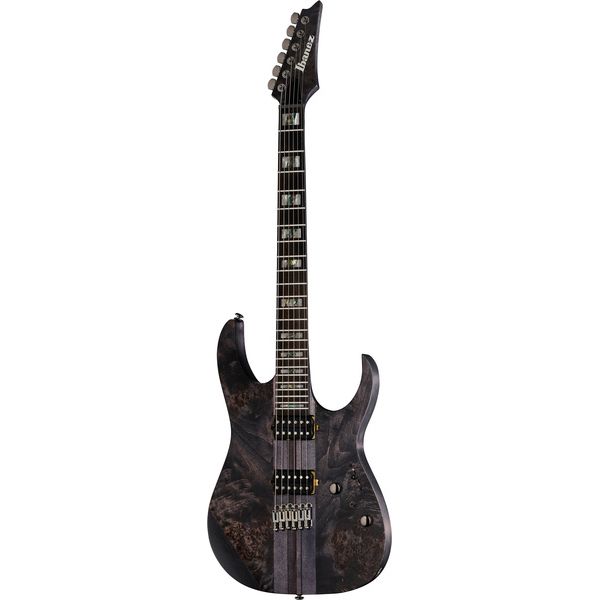
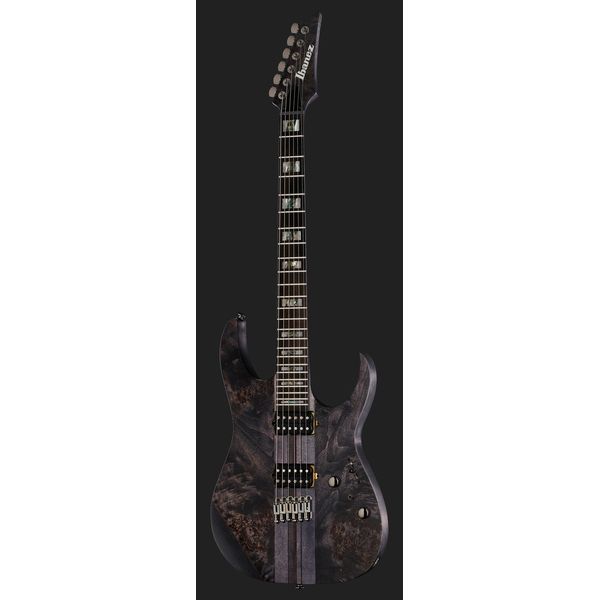
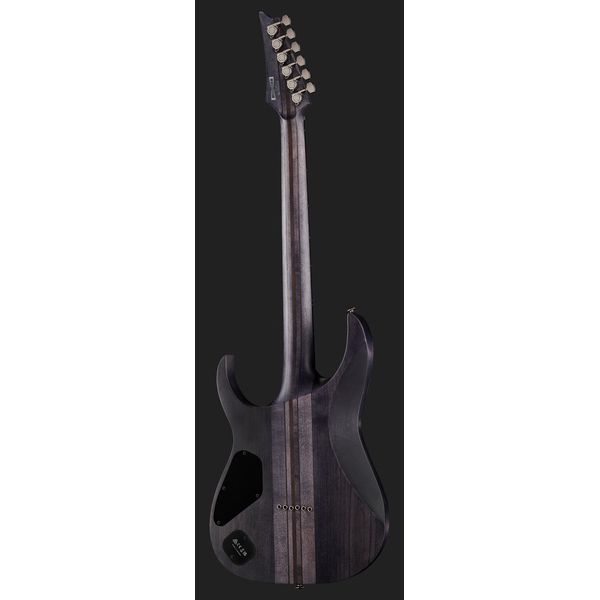
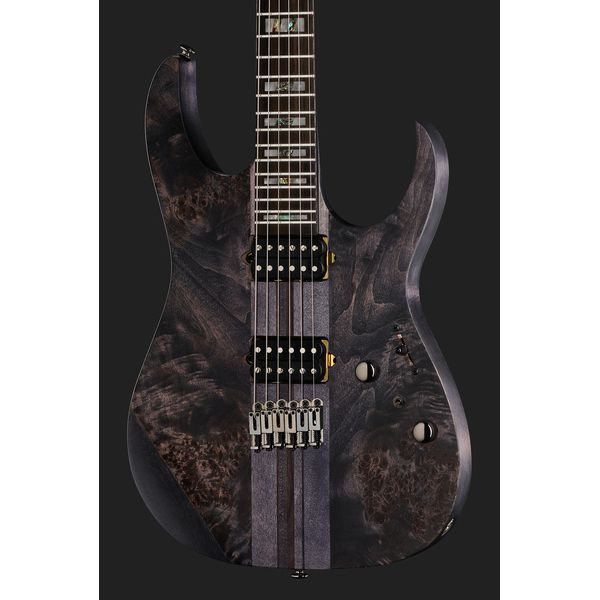
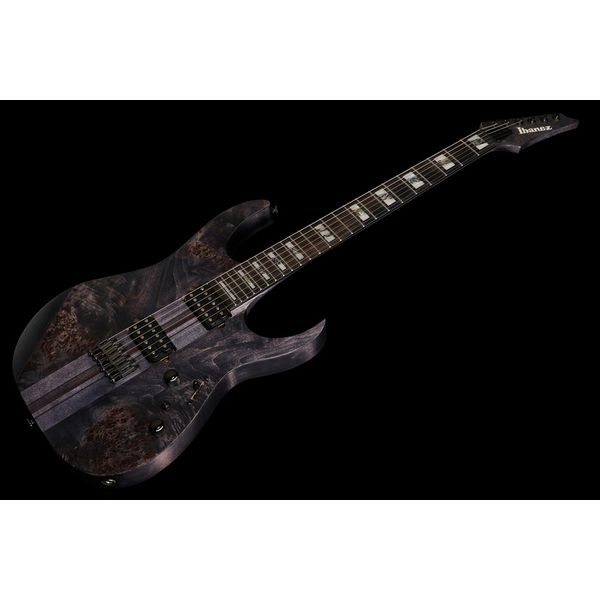
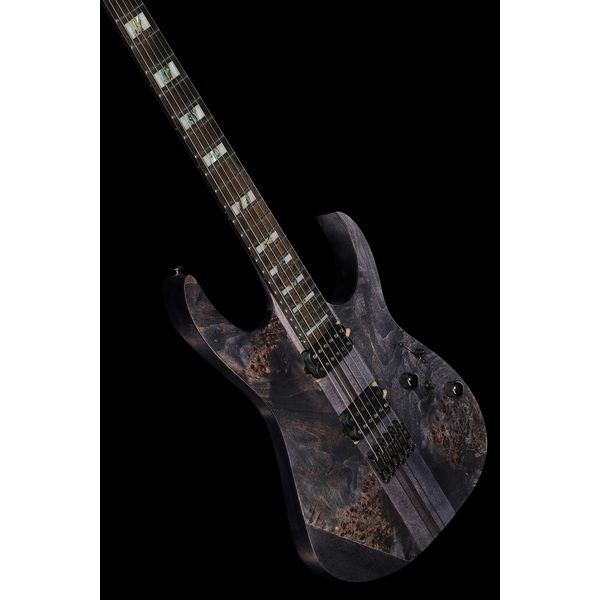
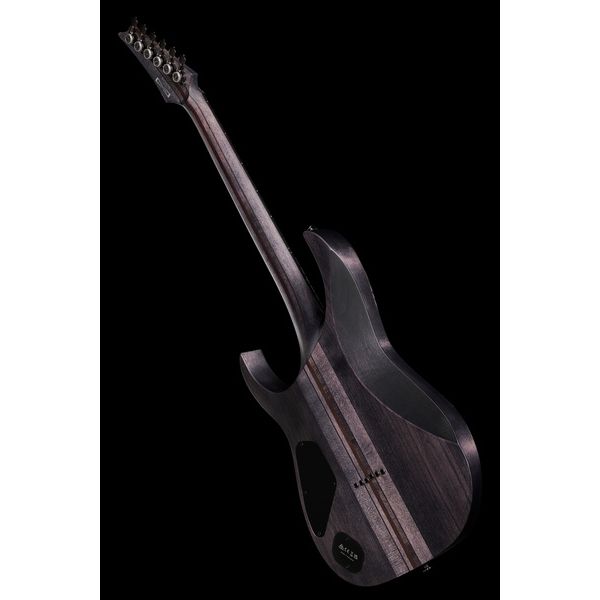
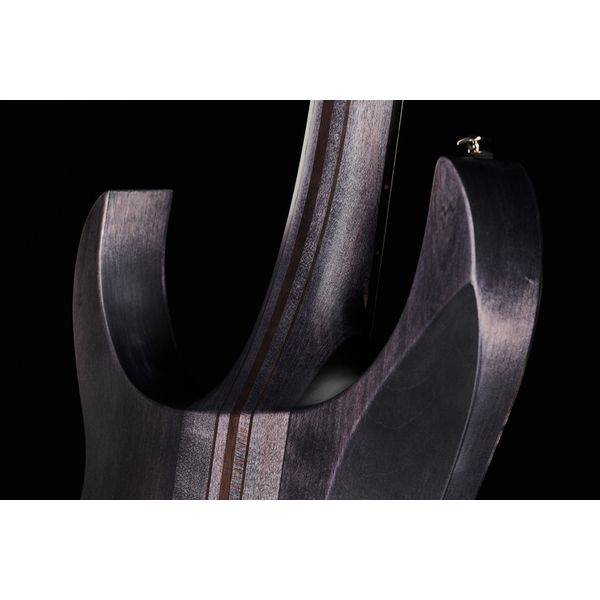



Chitarra elettrica
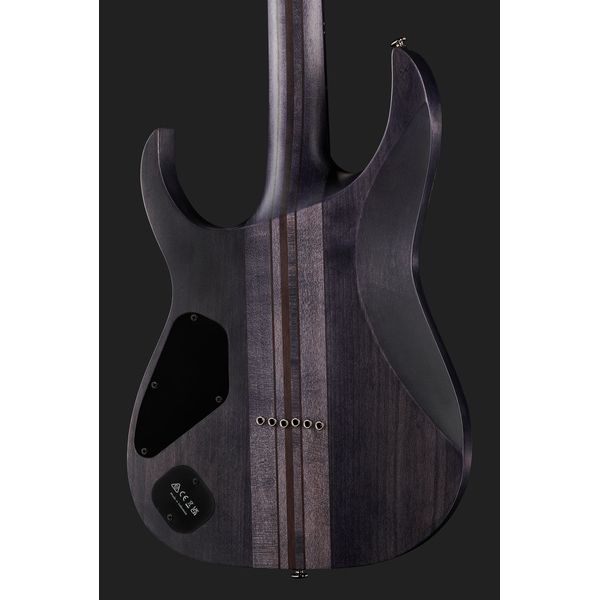
- Corpo: tiglio
- Top: pioppo
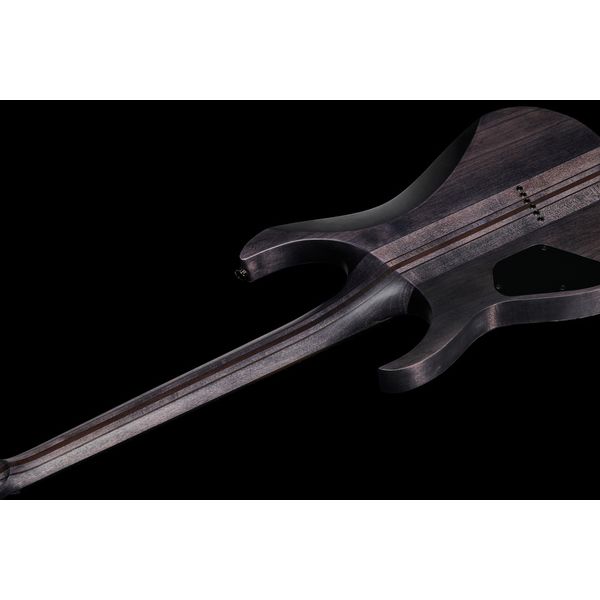
- Manico passante in 7 pezzi: acero/noce
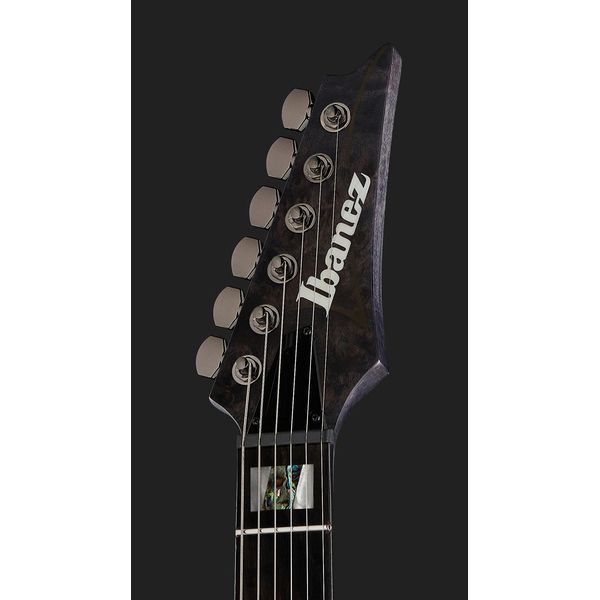
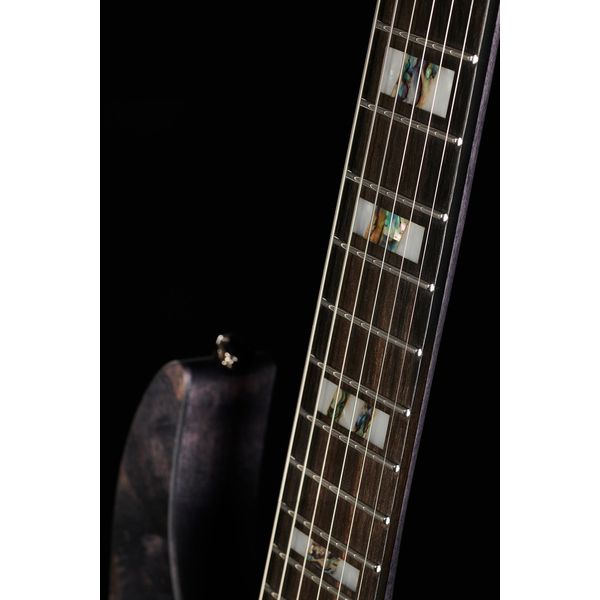
- Tastiera: ebano
- Inlays della tastiera: blocchi in acrilico e abalone
- Profilo del manico: Wizard III - spessore al 1° tasto: 19 mm / al 12° tasto: 21 mm
- Lunghezza della scala: 648 mm (25,51")
- Raggio della tastiera: 400 mm (15,75")
- Larghezza del capotasto: 43 mm (1,69")
- Capotasto: plastica
- 24 tasti: Jumbo in acciaio inossidabile
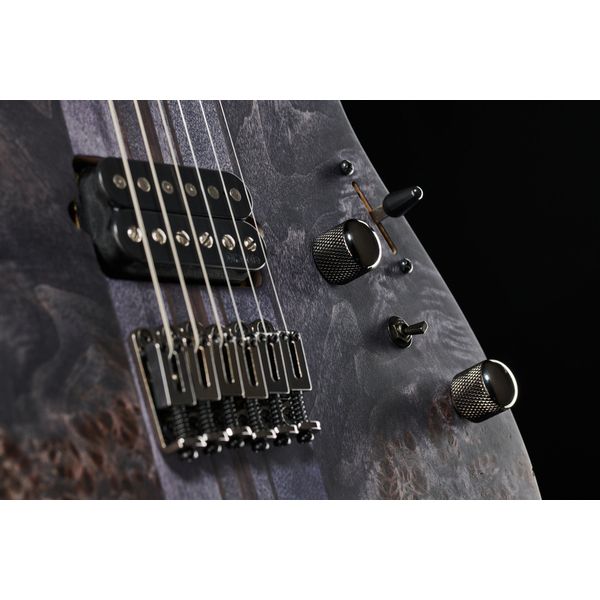
- Pickup: DiMarzio The Tone Zone (ponte) e humbucker DiMarzio Air Norton (manico)
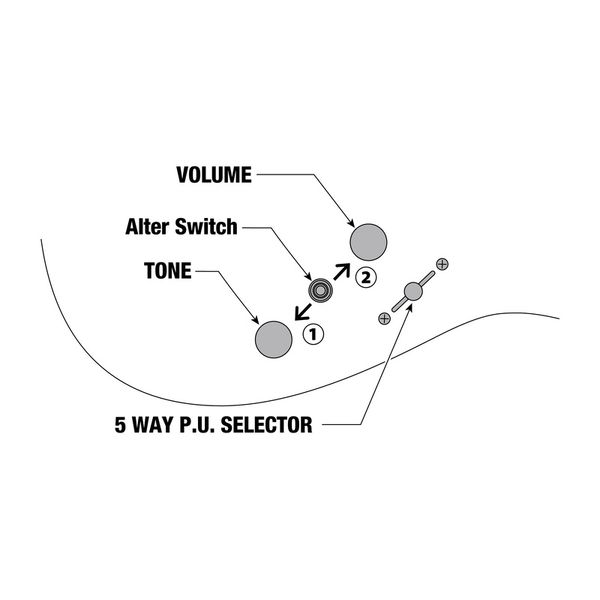
- Controlli per volume e tono
- Selettore a 5 vie
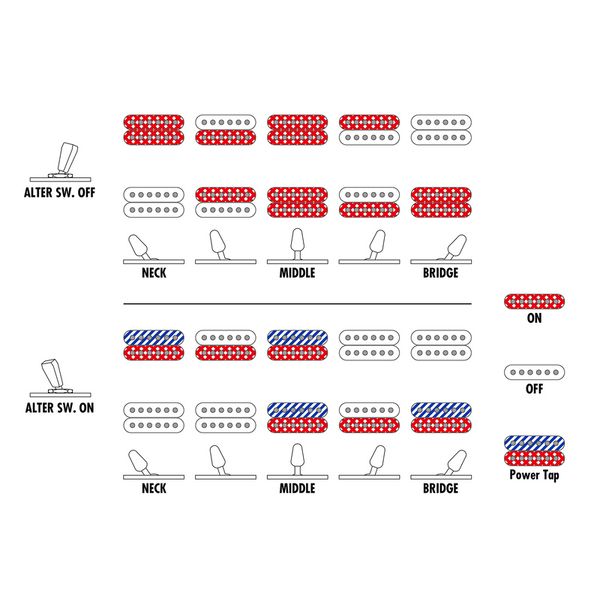
- Sistema di commutazione dyna-MIX10
- Ponte: Monorail
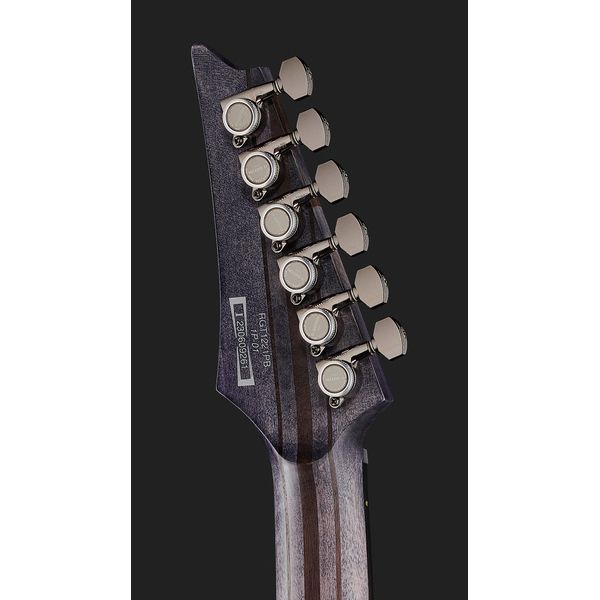
- Meccaniche: Gotoh MG-T autobloccanti
- Hardware: Cosmo Black
- Corde di fabbrica: D'Addario EXL 110 .010 - .046
- Colore: Deep Twilight Flat
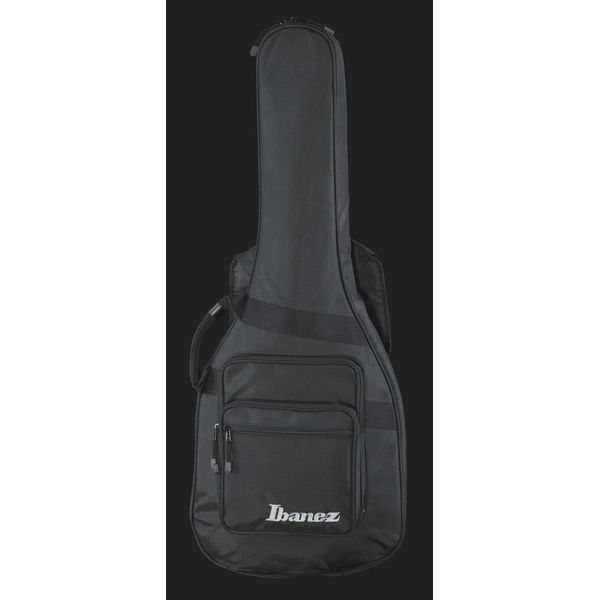
- Include custodia morbida e kit di attrezzi
-
In catalogo dal Ottobre 2022
-
Numero di articolo 533389
-
Unità incluse 1 Pezzo
-
colore Grigio
-
Corpo Tiglio
-
Top Pioppo
-
Manico Acero, noce
-
Tastiera Ebano
-
Frets 24
-
Scalatura 648 mm
-
Sistema di pickups HH
-
Tremolo Nessuno
-
Incl. custodia morbida Si
-
Incl. custodia rigida No
Mostra varianti di questo prodotto

Accessori e articoli coordinati



Confronta alternative
-
Ibanez Modelli tipo ST in mostra
-
Mostra Modelli tipo ST nella gamma di prezzo 1250 € - 1750 €
-
Vai al gruppo del prodotto Modelli tipo ST
-
Vai al gruppo del prodotto Chitarre Elettriche
-
Vai al gruppo del prodotto Chitarre e Bassi
-
Mostra le informazioni del produttore per Ibanez
-
Ibanez Chitarre e Bassi in generale